Explore Our Tours
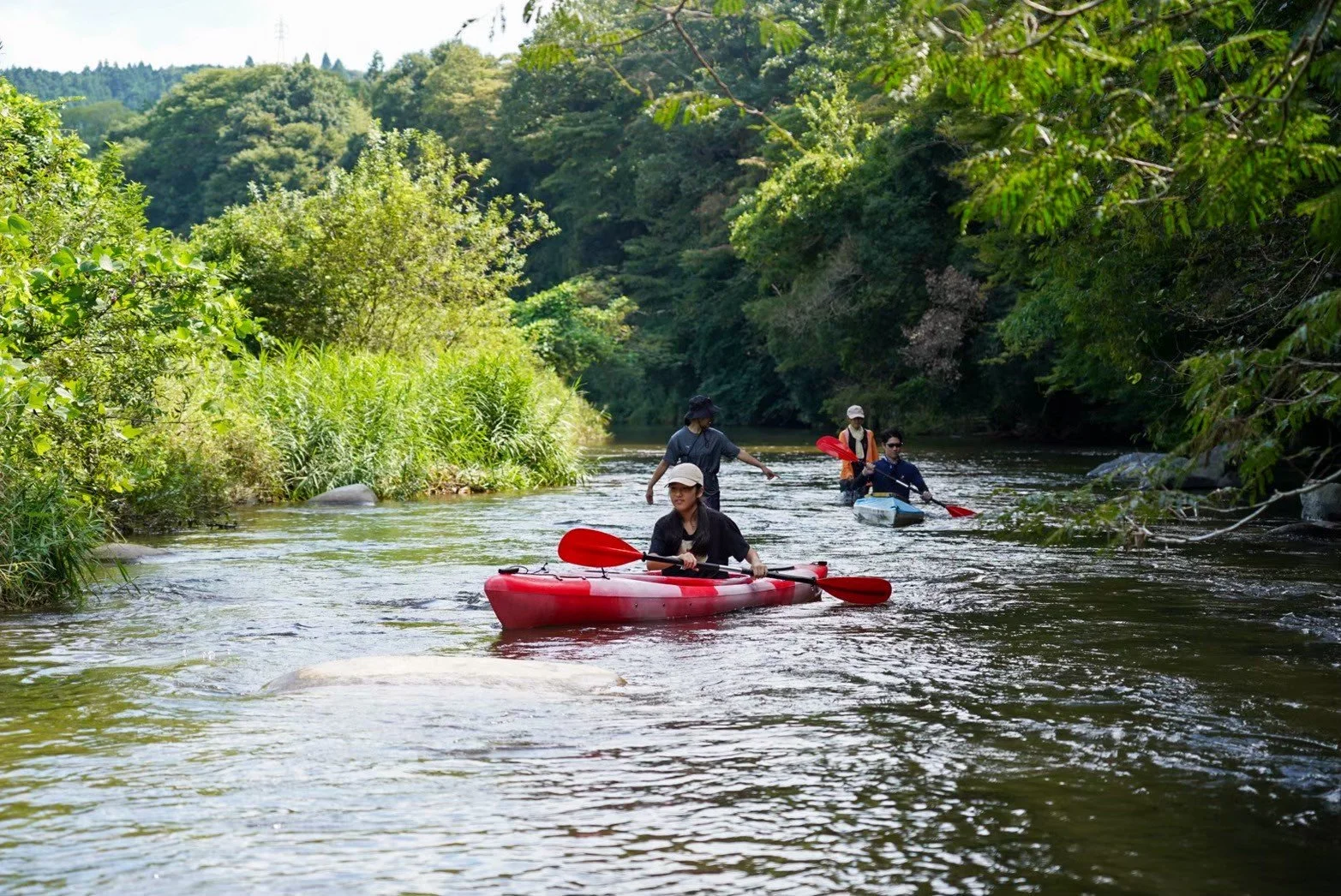
Explore our range of tours designed to help you get the best experience in Japan.
Learning That Goes Beyond the Classroom
Northern Ibaraki is not a typical school trip destination. There are no theme parks, no crowds, no polished tourist performances. What exists here is something far more valuable for young learners — real communities facing real challenges, where a student's presence and engagement can make a genuine difference.
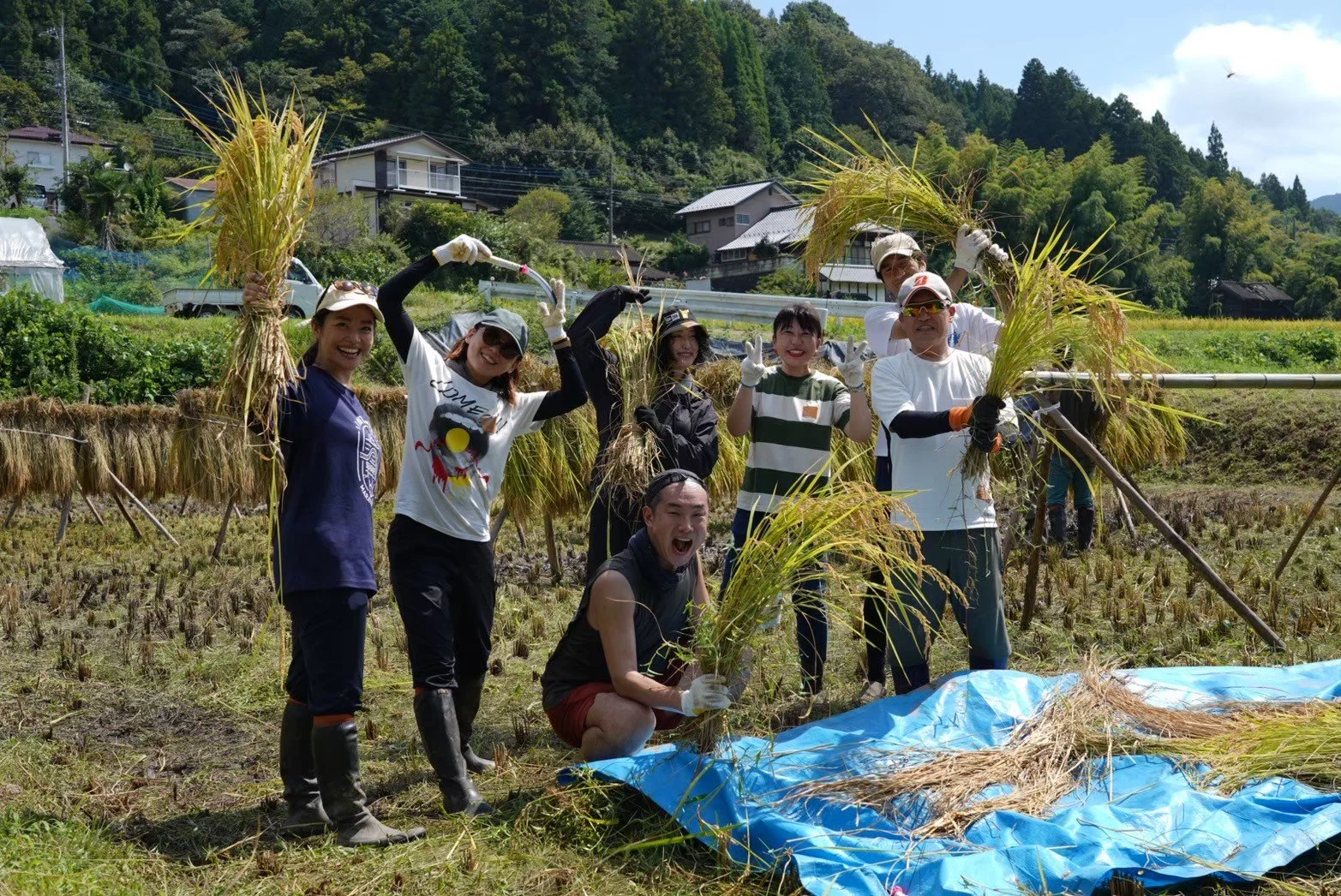
Hitamichi designs educational programs for international schools, IB CAS groups, and universities seeking experiential, field-based learning in Japan. Each program is built around a mission — a real local challenge that students engage with directly, not as observers, but as active participants.
All programs are conducted in English, led by founder Rina Nagamatsu, and co-created with local artisans, community leaders, and government partners.
Why Northern Ibaraki?
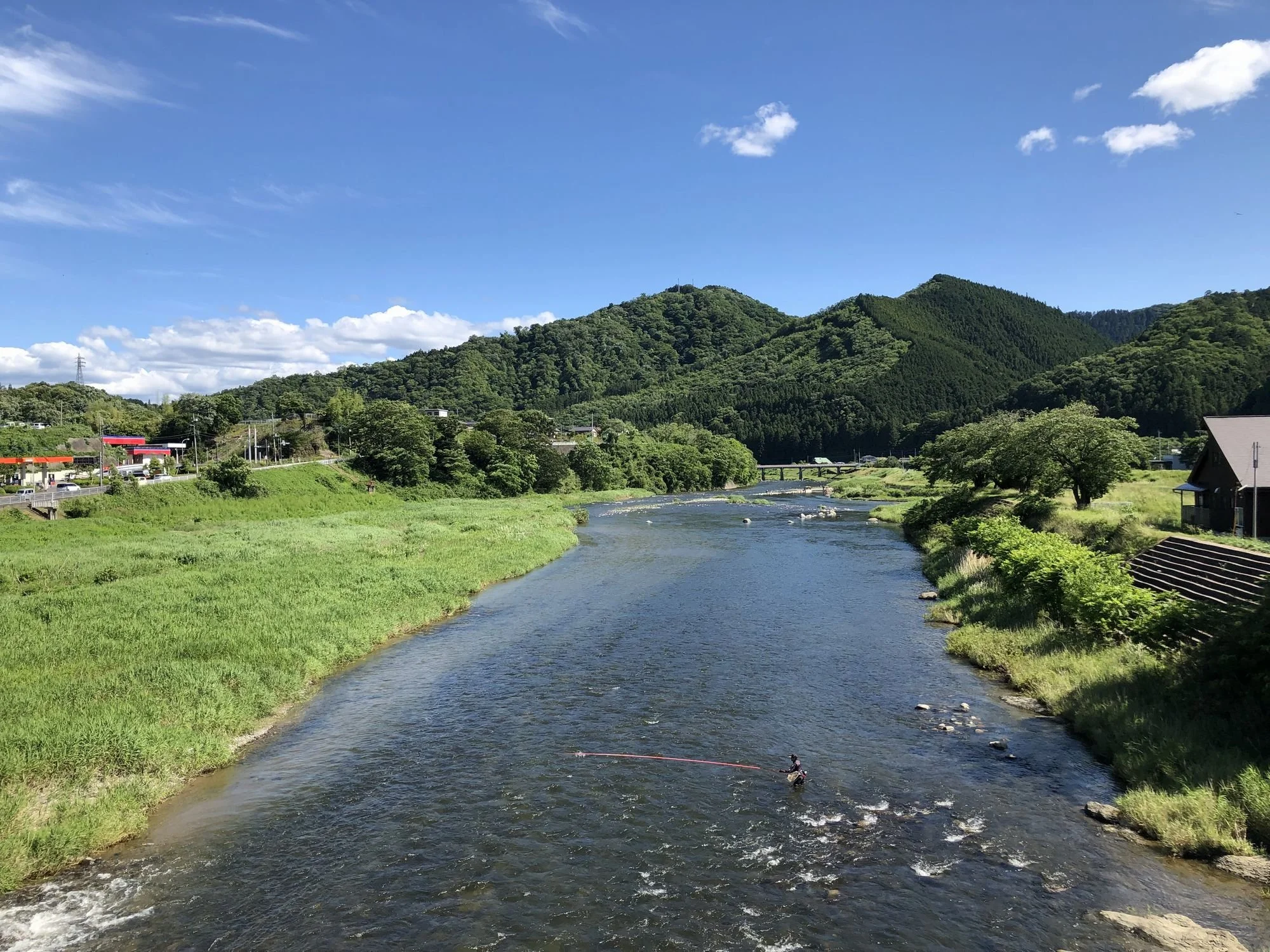
Northern Ibaraki — covering Daigo Town, Hitachiomiya, Hitachiota, Hitachi, Takahagi, and Kitaibaraki — is one of Japan's most unspoiled regions, where communities are experiencing some of the most significant rural challenges in the country: population decline, aging demographics, a shortage of successors, and the slow disappearance of traditional crafts and industries.
Who This Is For
These programs are well suited for international schools and study abroad programs, service learning and IB CAS programs, and universities seeking experiential field-based learning. Programs can be designed for groups of up to 40 students, with smaller groups offering more hands-on engagement. Duration ranges from half-day to multi-day, with accommodation options to suit all budgets.
Our Strengths
Deep Local Trust
Over years of working alongside local artisans, producers, and government partners, Hitamichi has built relationships that cannot be replicated overnight. This trust gives students exclusive access to people and places that no standard tour operator can offer.
Programs Co-Created With the Community
Every program is designed with local stakeholders — ensuring authenticity, mutual benefit, and real impact for both students and communities.
Founder-Led, Bilingual Guidance
All programs are led personally by Rina Nagamatsu, a Japanese native English speaker with deep cultural knowledge and strong storytelling ability.
Close Partners:
Ibaraki Prefectural Government · Daigo Town · Hitachiota Tourism Association · Homestay Association · Okukuji Tea Park · PIECES Farm
Choose Your Mission
Through these programs, students develop problem-solving and critical thinking skills, cross-cultural understanding and communication, awareness of sustainability and regional challenges, and the ability to engage with real-world issues beyond the classroom.
The example missions below are just examples.
Please contact us for more information.
Example Mission 1: Save Okukuji Tea — Daigo Town
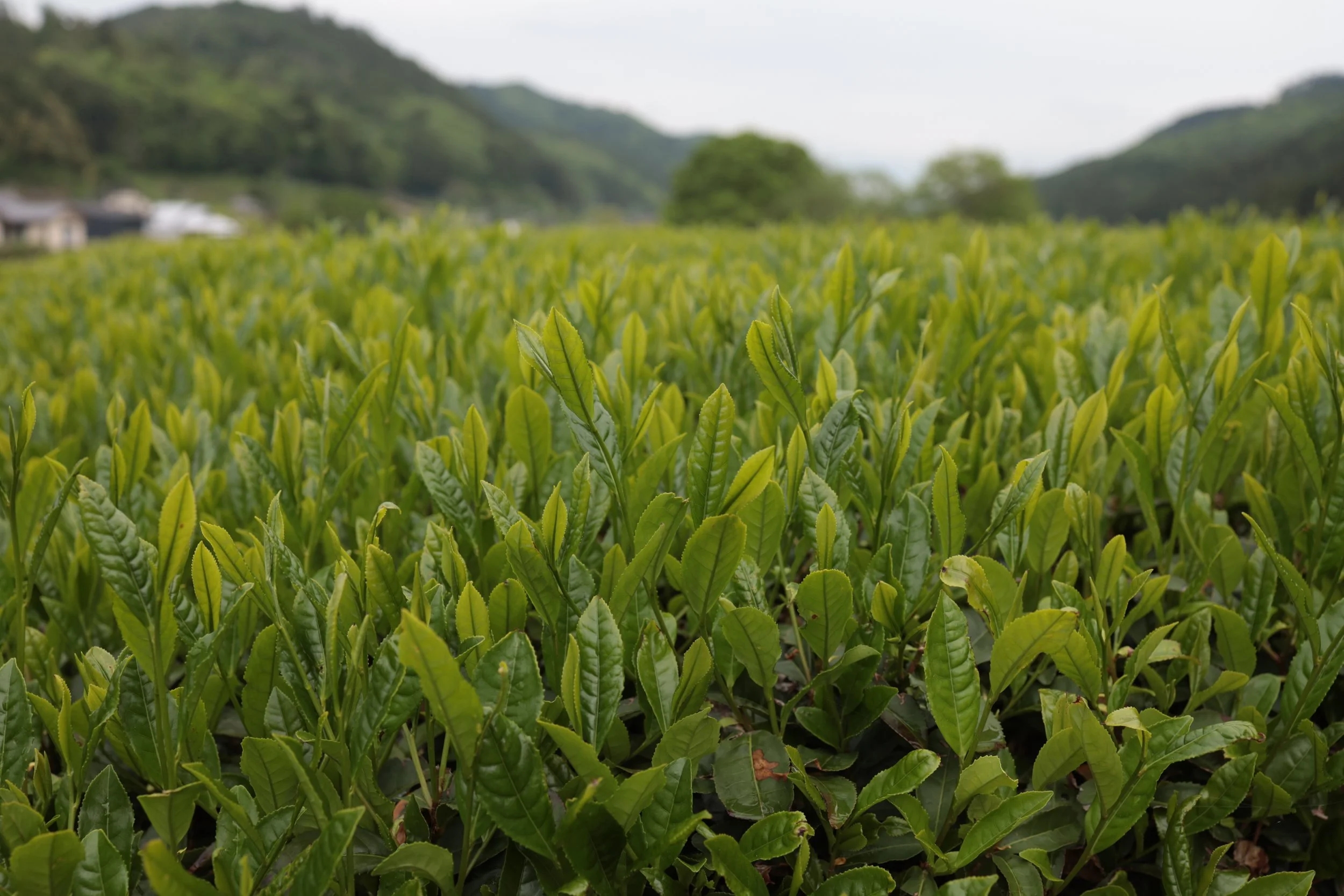
The Challenge: Okukuji tea is one of Japan's northernmost and most endangered tea traditions. Tea farms have declined from around 60 to fewer than 20 in the past decade. Only one master remains capable of producing award-winning hand-rolled tea. Without intervention, this 500-year-old tradition may disappear entirely within a generation.
What Students Do: Students engage directly with tea farmers, artisans, and local schools to understand the crisis and explore how they can contribute. Activities include hand-rolling tea with a master artisan, visiting tea fields, collaborating with Sahara Elementary School — one of the smallest schools in Ibaraki with just 20 students — and exploring ways to communicate the value of Okukuji tea to a global audience.
Learning Focus: Cultural preservation and heritage, sustainability and regional revitalisation, cross-cultural exchange, real-world problem solving.
Program Details: Location: Sanuki area, Daigo Town | Duration: Half-day to multi-day | Language: English / Japanese | Group size: Up to 40 students
Example Mission 2: Sustainable Agriculture & Rural Ecology — Hitachi City
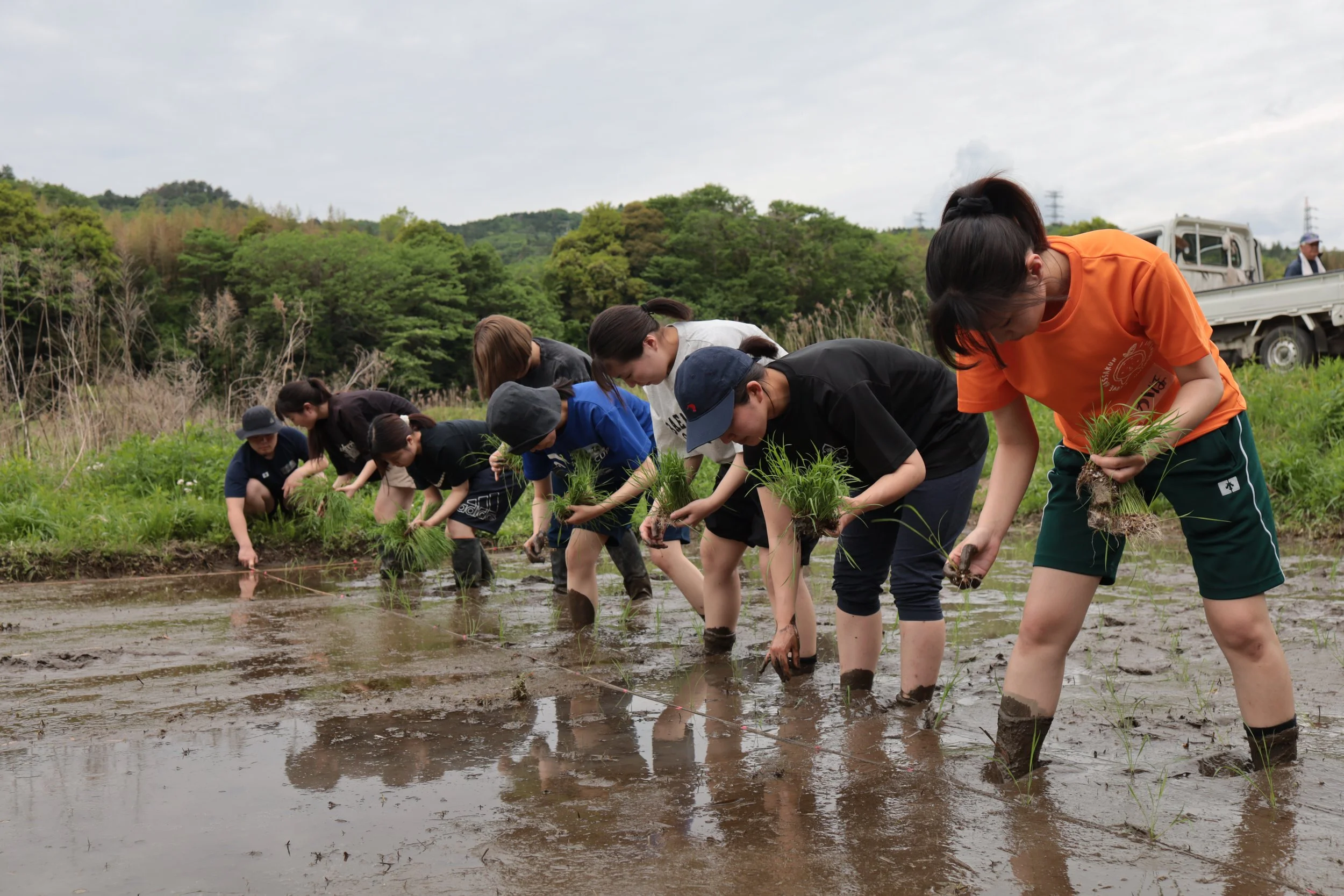
The Challenge: Nakasato village in Hitachi City has a population of just 287 people. The number of farmers has declined to less than a quarter of its 1970s level. Farmland and forests are increasingly left unmanaged. When Hitachi Ltd. relocated its headquarters to Tokyo in 2004, the farming population entered a sharp decline that has continued ever since.
What Students Do: In collaboration with PIECES — a local initiative led by two young farmers who relocated to Ibaraki to address these challenges — students work directly on farmland and in forests, learning traditional agricultural practices and land stewardship. Activities vary by season and include rice planting and harvesting, vegetable and fruit picking, forestry management, bamboo charcoal making, and the flowing noodle experience (nagashi somen).
Learning Focus: Sustainable agriculture and ecology, rural revitalisation and social business, community resilience, teamwork and global awareness.
Program Details: Location: Nakasato, Hitachi City | Duration: Half-day to multi-day | Language: English / Japanese | Group size: Up to 40 students
Example Mission 3: Reimagining Community Spaces — Hitachiota City
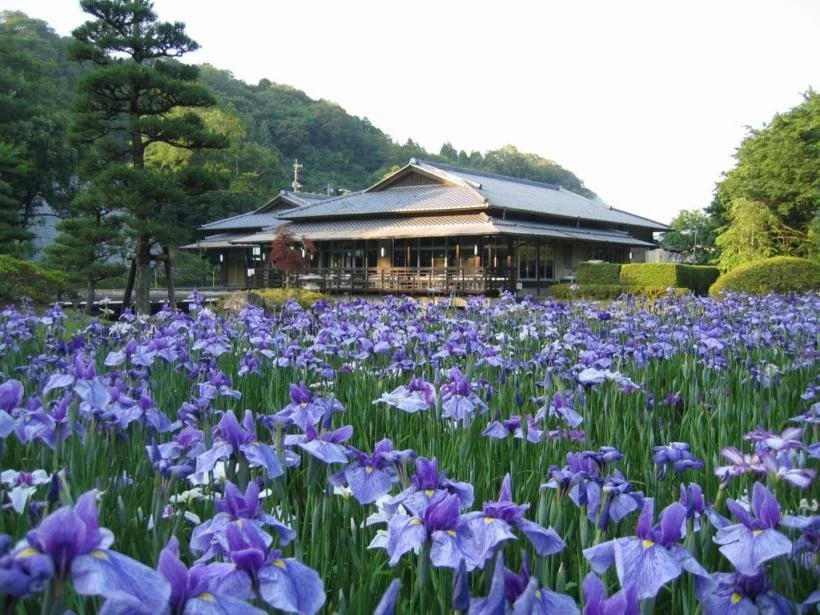
The Challenge: Hitachiota City is home to Tougen — a historic samurai garden connected to Tokugawa Mitsukuni — and a number of traditional public bathhouses that have long served as community gathering spaces. Both are facing declining visitor numbers, rising maintenance costs, and an uncertain future. Without new ideas and new energy, these irreplaceable cultural spaces risk closure.
What Students Do: Students take on the role of planners and problem-solvers, engaging directly with Tougen and local public bath facilities to understand how they are operated, what challenges they face, and how they might be reimagined for future generations. Students then present their revitalisation ideas to local stakeholders — gaining real experience of how ideas can translate into action. Activities vary by season and include garden maintenance, koi pond cleaning, soba harvesting, and supporting local festival preparations.
Learning Focus: Facility management and community infrastructure, cultural preservation and adaptive reuse, tourism development, creativity and teamwork.
Program Details: Location: Hitachiota City | Duration: Half-day to multi-day | Language: English / Japanese | Group size: Up to 40 students
Getting to Northern Ibaraki
By train: Tokyo Station to Hitachi Station — approximately 1.5 hours by limited express on the JR Joban Line.
By air: Ibaraki Airport offers direct connections from Okinawa, Fukuoka, Nagasaki, Kagoshima, Kobe, and Hokkaido.
Let’s Work Together
Every educational program is custom-designed around your group's size, schedule, age group, and learning objectives. We work directly with travel agencies and school coordinators to build a program that delivers genuine educational value and real community impact.
If you're interested in working with us, complete the form with a few details about your project. We'll review your message and get back to you within 48 hours.